How to prepare an owners’ meeting so everyone knows what is being decided
Prepare an owners’ meeting with clear proposals, useful documents and answered questions. A practical guide for property managers.
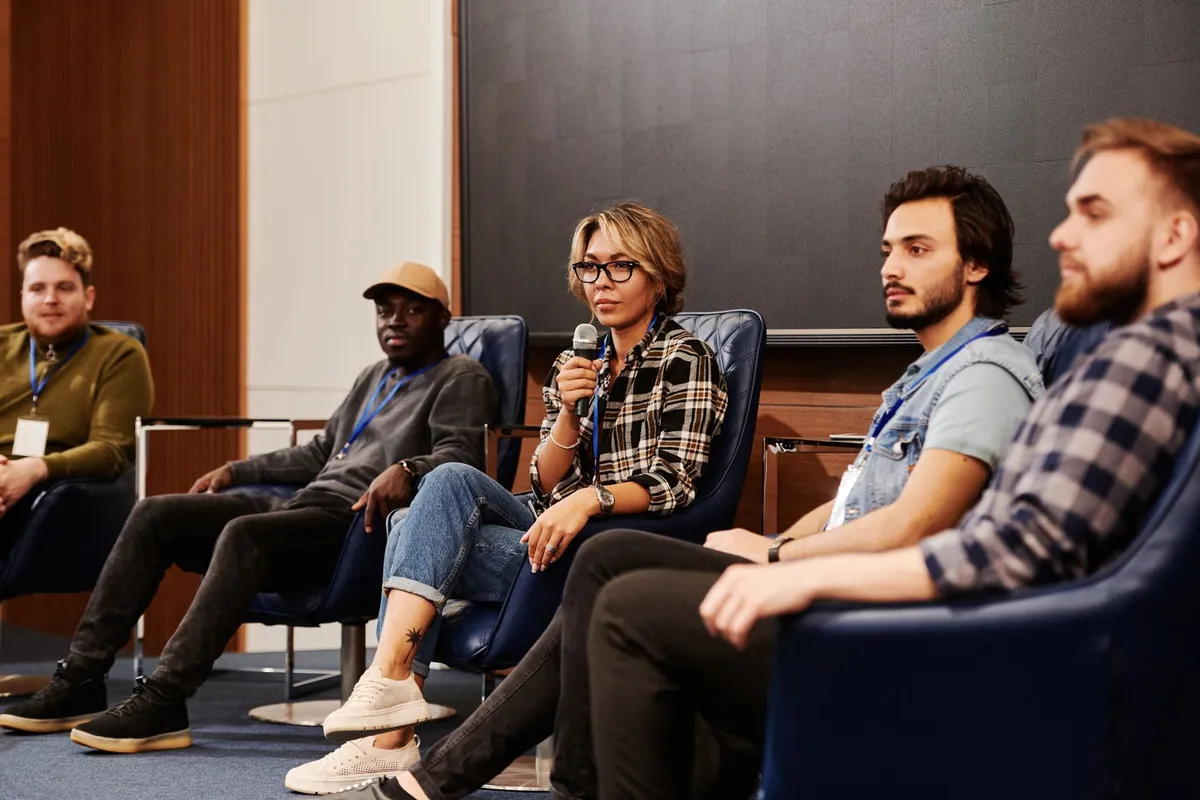
A meeting starts taking shape long before the room opens. It begins when the manager organises information, the president defines the issues and owners get the chance to understand what will be proposed.
Imagine this: it is time to approve an improvement and someone asks what the quote includes. Another owner has a different version. A third knows the amount but not why the work is needed. Before debating alternatives, everyone must reconstruct the information.
Good preparation gives that conversation a shared starting point. For the practice, it means organising work around a clear aim: every owner should identify the decision, understand its reasons and ask the questions they need answered.
Start with the decision to be made
An agenda item guides people better when it identifies both the subject and what will be considered. Prepare a brief explanation answering:
- What situation needs a decision?
- What action is proposed and what alternatives exist?
- What are each option’s cost, scope and conditions?
- What information is still missing?
This explanation helps spot gaps before sending documents. If two quotes cover different work, clarify it. If a figure is an estimate, say so. If an important report is missing, make that visible.
Prepare an explanation to accompany the documents
Attaching quotes and reports is useful. Helping people read them is too. A brief explanation can show which document answers each question and where differences affecting the decision lie.
Let’s look at a fictional example. A community is considering replacing its shared-area lighting. It has two quotes: one includes lights and installation; the other adds sensors and removal of old equipment. Comparing price alone would miss part of the decision.
The manager can prepare a summary of each quote’s scope, tax-inclusive amount, exclusions and unconfirmed details. If a supplier claims energy savings, label them as the supplier’s estimate and explain the calculation behind them.
Owners then have a guide for comparison. Original documents remain necessary for checking details.
Check who needs information and how they will receive it
Before sending, review owners, contact details and possible representations. An old email address or pending ownership update can cause an issue just as the meeting starts.
Preparation also has a formal side. In communities governed by Spain’s national Horizontal Property Act, articles 15 and 16 regulate attendance and representation, meeting notices and summonses. Explanatory information must accompany, not replace, the applicable procedure. Read the LPH in the BOE (opens in a new tab).
Also understand access needs. Some owners live abroad, use only a phone or need an explanation in another language. Preparing information for those circumstances helps provide a shared starting point.
When translating a proposal, pay particular attention to amounts, dates, conditions and alternatives. Every version must explain the same decision.
Make room for questions before the meeting
Alongside the documents, explain how to ask questions and who will answer. Set aside time to review them and identify which need clarification, another document or a supplier enquiry.
In the lighting example, a question about guarantees may reveal that neither quote specifies them. Getting that information before the meeting adds it to the comparison.
If the answer helps all owners, prepare a shared clarification without disclosing the questioner’s personal data. Keep document versions identifiable: changes to figures or explanations must be clear.
The channel beforehand helps prepare the debate. New questions and disagreements still have their place during the meeting.
Agree with the team how the session will run
Information can be well prepared yet coordination fail when the room opens. Agree who presents each subject, handles access problems and records changes and resolutions for the minutes.
If digital tools are used, test with the people who will operate them. Check the owner’s journey: receiving instructions, finding documents and knowing where to ask for help.
Prepare for foreseeable problems too. If someone cannot get in, the team should know whom to contact and how to record the issue. The solution must respect that meeting’s participation rules.
Prepare for follow-up after the meeting
During the session, distinguish the initial proposal, changes introduced and the final resolution. Keep the documents needed to review later what was decided and on what information.
That continuity helps whoever drafts the minutes. It also identifies outstanding matters: an unanswered question, a missing document or an action needing follow-up.
To assess preparation, look at which questions arrived before, which needed answering in the room and what information was missing. When measuring the practice’s effort, include work both before and after the meeting.
A template for your next agenda item
Before sending documents, complete this template with the team:
| Field | What to make clear |
|---|---|
| Subject and decision | What the meeting will consider |
| Context | Why it is proposed and the supporting information |
| Alternatives | What each option includes and how they differ |
| Cost and conditions | Amounts, taxes, exclusions and pending details |
| Documents | Where to find the current version and attachments |
| Questions | How to send them and who coordinates answers |
| Support | What people with access or comprehension difficulties need |
| Follow-up | Who records changes, resolutions and outstanding matters |
If a field is empty, you know what needs work before the meeting.